
The photograph and the purpose
A celebrity arrival changes the temperature of an event. Cameras turn, conversations pause and the evening acquires a second audience beyond the room. For a new auction platform, that attention can be valuable. For a mental-health event, it can also be dangerous if the guest list becomes the story and the cause becomes a background logo.
The LAX.BID launch on 18 June tried to hold both realities. The red carpet and social coverage introduced the platform to entertainment audiences, while Mr Phantom’s fragmented portrait and the phrase Nobody Needs to Fight Alone kept returning the evening to men’s mental health.
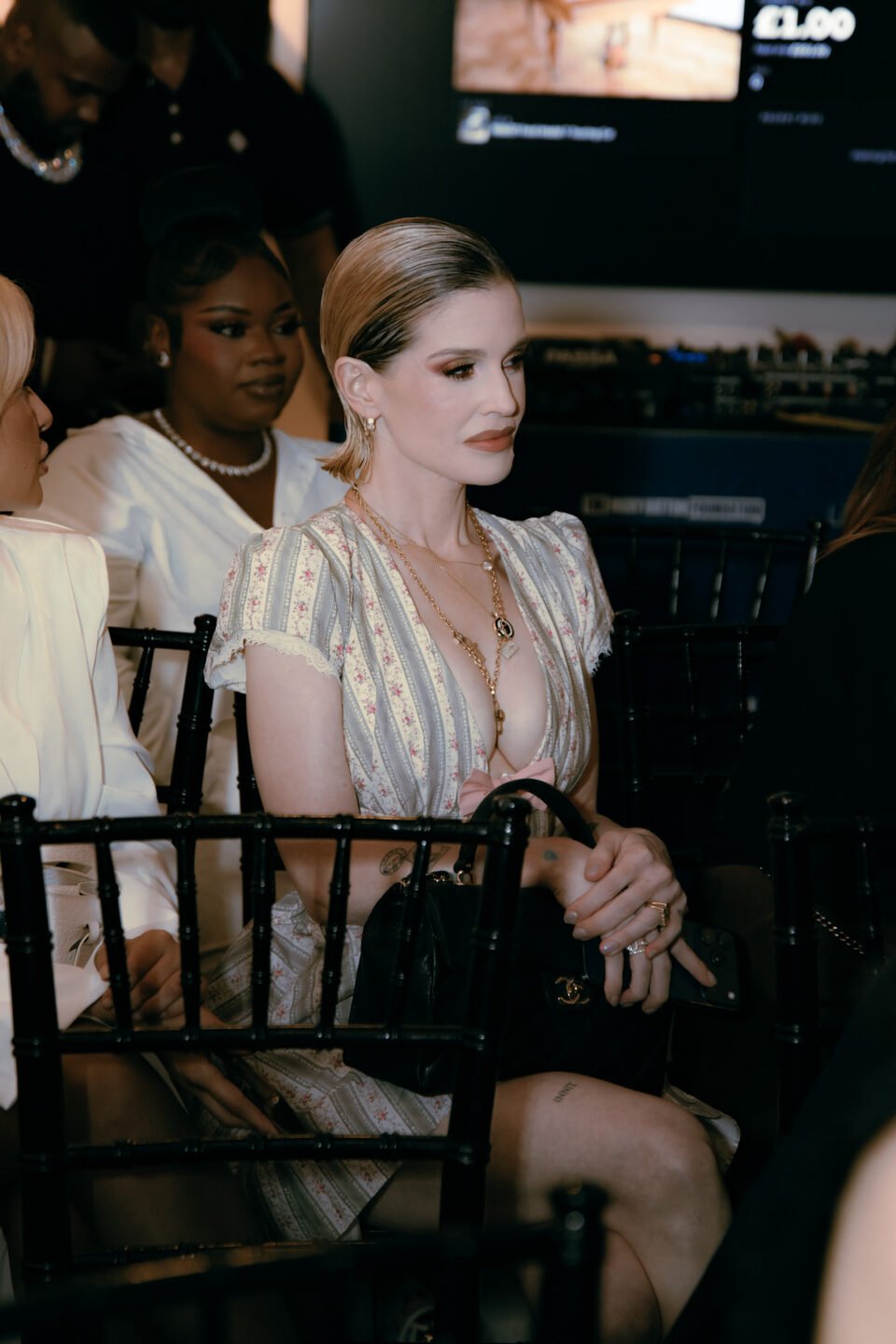
Kelly Osbourne: style coverage with a more difficult subtext
Kelly Osbourne became the most widely reported guest. Daily Mail, HELLO!, Yahoo and Us Weekly carried different versions of her appearance. Fashion-led coverage focused on a plunging mini dress and a composed, “glowing” presence beside DJ Fat Tony.
The more substantive interviews placed that image within a period of public scrutiny and grief. Us Weekly reported her response to online body-shaming and her view that the cruelty had reached an unprecedented level. A separate interview discussed Father’s Day plans and the effect of losing her father, Ozzy Osbourne.
It would be simplistic to describe attendance at a mental-health event as evidence that a person has recovered or is “back to normal.” Public appearance and private wellbeing are not the same. The responsible interpretation is that Osbourne chose to attend an evening connected to support and conversation while speaking openly about pressure, family and loss.
That honesty gave the style photographs context without turning her experience into a promotional device.
Freddy Brazier: a young public figure under inherited attention
Coverage of Freddy Brazier connected his attendance to a highly public period in his personal life and to the birth of his daughter, Isla Jade, whose name carries a tribute to his late mother, Jade Goody.
The press interest illustrates how celebrity stories accumulate across generations. A young person may enter public life through family history before having the opportunity to define an independent identity. Mental-health coverage can help normalise support, but it can also intensify scrutiny if every appearance is interpreted as a judgement on private relationships.
The event did not need to resolve that narrative. His presence was relevant because the room was organised around the idea that public visibility does not remove private pressure.
Aaron Thiara: bringing a different audience
EastEnders actor Aaron Thiara generated coverage in Mirror and OK!, extending the event beyond reality television, music and sport. A television actor brings an audience that may encounter the platform or mental-health message through entertainment coverage rather than art-market media.
This is one of the practical strengths of a mixed guest list. Different public figures act as bridges to different communities. The danger is treating them as interchangeable names rather than people with distinct boundaries and reasons for attending.
Any quote, photograph or description should be approved where required, particularly if it refers to personal mental health rather than general support for the cause.
DJ Fat Tony: the cultural connector
DJ Fat Tony provided the soundtrack and carried the evening into his own social channels. A DJ has a different role from a formal host or auctioneer: shaping the energy between programmed moments and preventing the room from fragmenting into separate groups.
His participation also connected the event to nightlife, recovery and contemporary London culture. The strongest use of that association is not to imply endorsement of every company claim, but to show that a conversation about mental health can exist in a celebratory environment rather than only in moments of crisis.
The many-camera event
The launch was documented by national and international entertainment media, social accounts and guests. London Beautiful Life, David Bentley 007, DJ Fat Tony and the Ricky Hatton Foundation posted material, while traditional outlets built stories around individual names.
This “many-camera” environment creates reach and inconsistency. Each outlet selects a different headline, image and emotional frame. The auction business cannot control every version, but it can make the core facts easy to verify: date, venue, cause wording, platform description, auction purpose and approved participants.
A central press page or archive would help LAX.BID preserve that record and separate earned media from its own editorial coverage.
What did the celebrities bid?
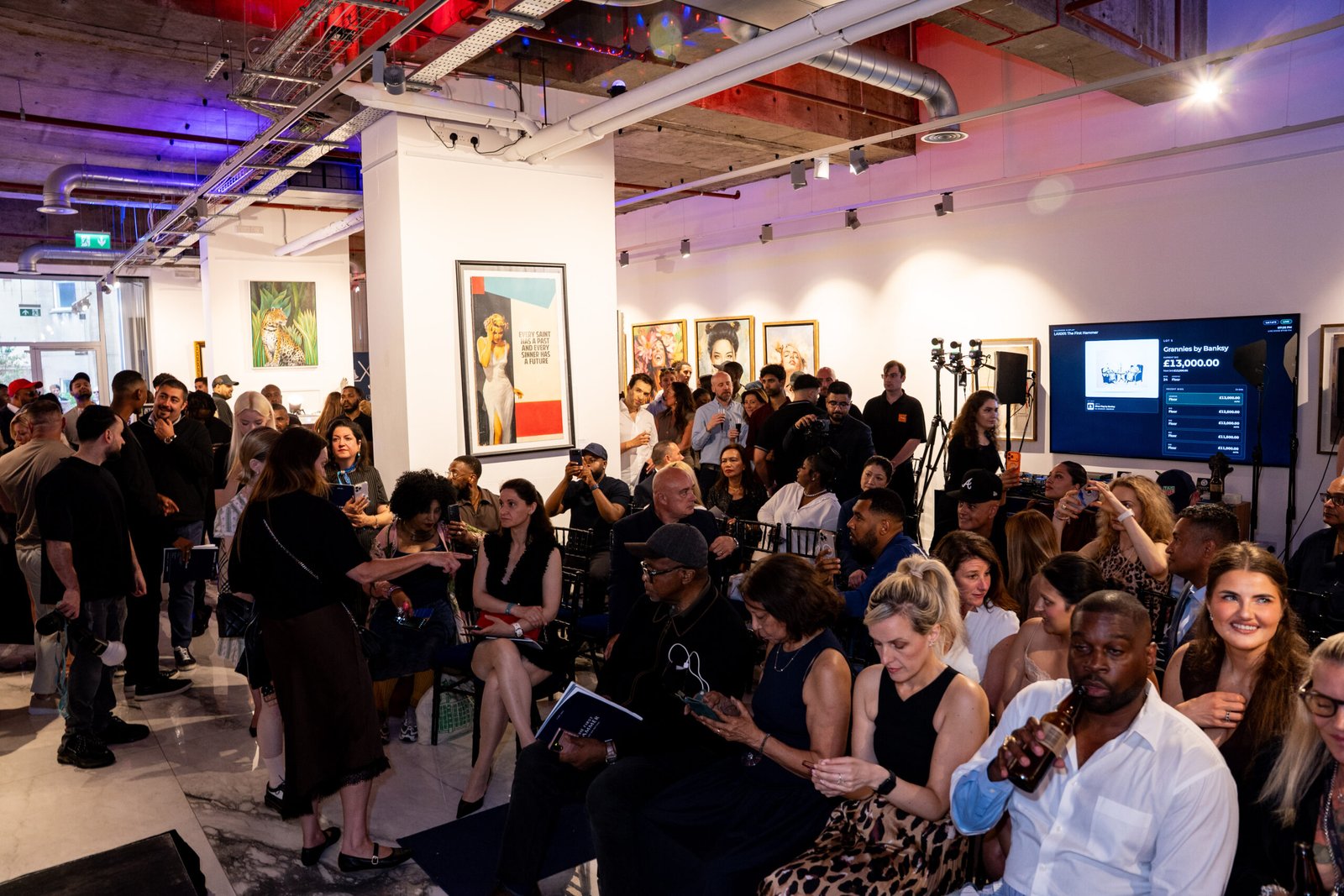
The available public reports do not provide a verified list of individual celebrity bids, paddle numbers or hammer amounts. Those details should not be invented for a stronger headline.
Celebrity participation is confirmed; personal bidding activity is not. If LAX.BID later publishes audited results and a guest has agreed to be named, the record can be updated. Until then, the responsible article focuses on attendance, public comments and the wider auction environment.
This restraint matters. An auction platform asks users to trust price formation. Suggesting that famous guests bid when evidence is unavailable could undermine that trust.
Celebrity does not solve a cause
A recognisable guest can make a subject easier to notice. They cannot substitute for professional support, charity work or transparent fundraising.
The most useful celebrity advocacy is specific and proportionate: a short statement, a personal reason for attending, a link to support, or participation in a verified fundraising moment. The event should never imply that someone attended because they needed reputation repair or that a public appearance proves recovery.
The language of “redemption” is especially inappropriate for mental health. People are not marketing problems to be corrected.
The business value of attention
For LAX.BID, the media coverage created brand awareness beyond the art press. It placed the platform in entertainment, lifestyle and national visual media. That can produce registrations and seller enquiries, but the company should measure whether the attention converted.
Useful measures include event-page visits, registrations, verified bidders, condition-report requests, submissions, email sign-ups and press enquiries. A celebrity article that produces no meaningful engagement may still have reputational value, but the business should understand the difference.
London Art Exchange can then continue the relationship through viewings, artist conversations and private-client services. The auction platform can preserve category interests and transaction activity, subject to consent.
A red carpet can lead somewhere
The phrase “red carpet with a reason” only holds if the reason remains visible after the guests leave. The Mr Phantom artwork, Mind fundraising context and Ricky Hatton Foundation connection gave the evening a purpose larger than the launch.
The next step is evidence: report verified charitable outcomes, publish accurate auction information, thank participants without overstating their role, and continue the mental-health conversation in ways that do not depend on celebrity disclosure.
The celebrities helped the event travel. The platform, charity partners and organisers must now decide where that attention lands.