
[ad_1]
From May 15 to June 21, 2026, the 7th Mardin Biennial will involve 41 artists from 20 countries. Curated by Çelenk Bafra, the edition titled “GÖKzemin” / “SKYground” will bring works and installations among monasteries, hammams, caravanserais and archaeological sites in Turkish Mesopotamia.
The Turkish city of Mardin is preparing to host the seventh edition of theMardin Biennial , an event dedicated to contemporary art that from May 15 to June 21, 2026 will transform the urban and archaeological fabric of historic Mesopotamia into a large-scale, diffuse exhibition route. Entitled GÖKzemin“ / ”SKYground, the curatorial project intends to relate earthly and heavenly dimensions, memory and imagination, individuality and collectivity through a network of installations, site-specific works, performances and public interventions placed in the main historical sites of the city and the surrounding area.
Founded in 2010 and a member of the International Biennial Association (IBA), the Mardin Biennial was established with the aim of creating a stable space for cultural exchange between the Mediterranean, Anatolia and the Middle East. Over the years, the event has gradually established itself as one of the most recognizable art platforms in the Middle East and Mediterranean region, helping to consolidate Mardin’s role within the international geography of contemporary art. Indeed, in recent years, İstanbul, Ankara, İzmir, and Antalya, and other cities have begun to develop their own artistic centrality, and Mardin has become one of the most prominent cases of this transformation.
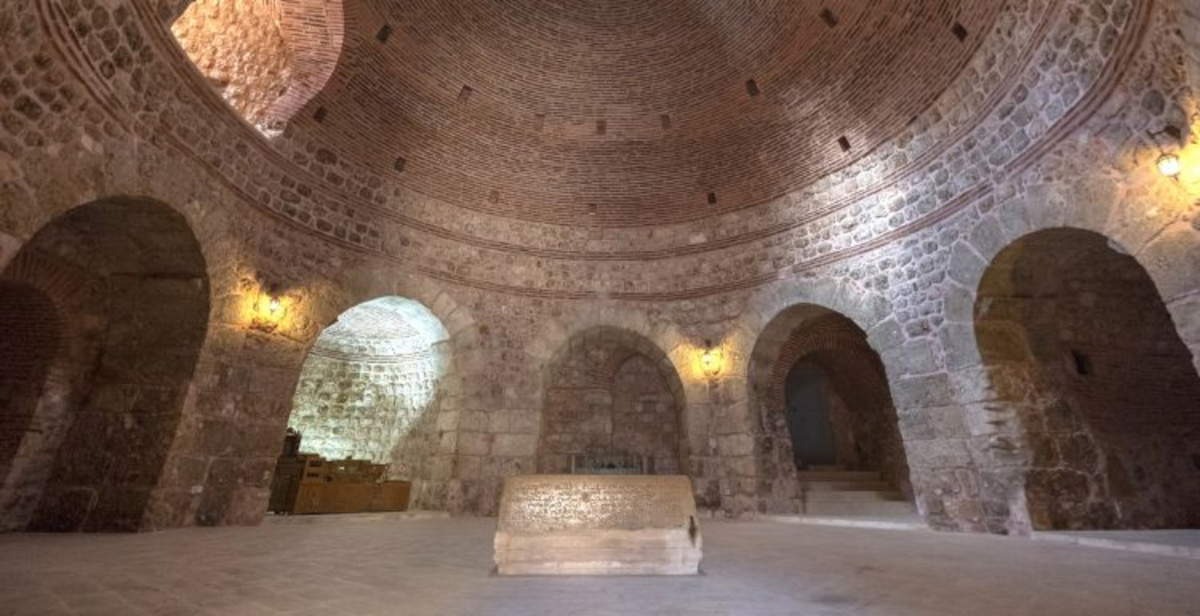
The 2026 edition is curated by Çelenk Bafra, artistic director of Istanbul Modern and an active figure in the European curatorial scene. The chosen theme, GÖKzemin“ / ”SKYground, is developed around the idea of connection between physical space and symbolic dimension. In fact, the Biennial will use the urban, spiritual and archaeological landscape of the city as an integral part of the exhibition itinerary, involving monasteries, hammams, caravanserais, historic cafes and archaeological sites. The public will be invited to move through places that reflect the cultural stratifications of the region, transformed into environments of confrontation between contemporary art and historical heritage.
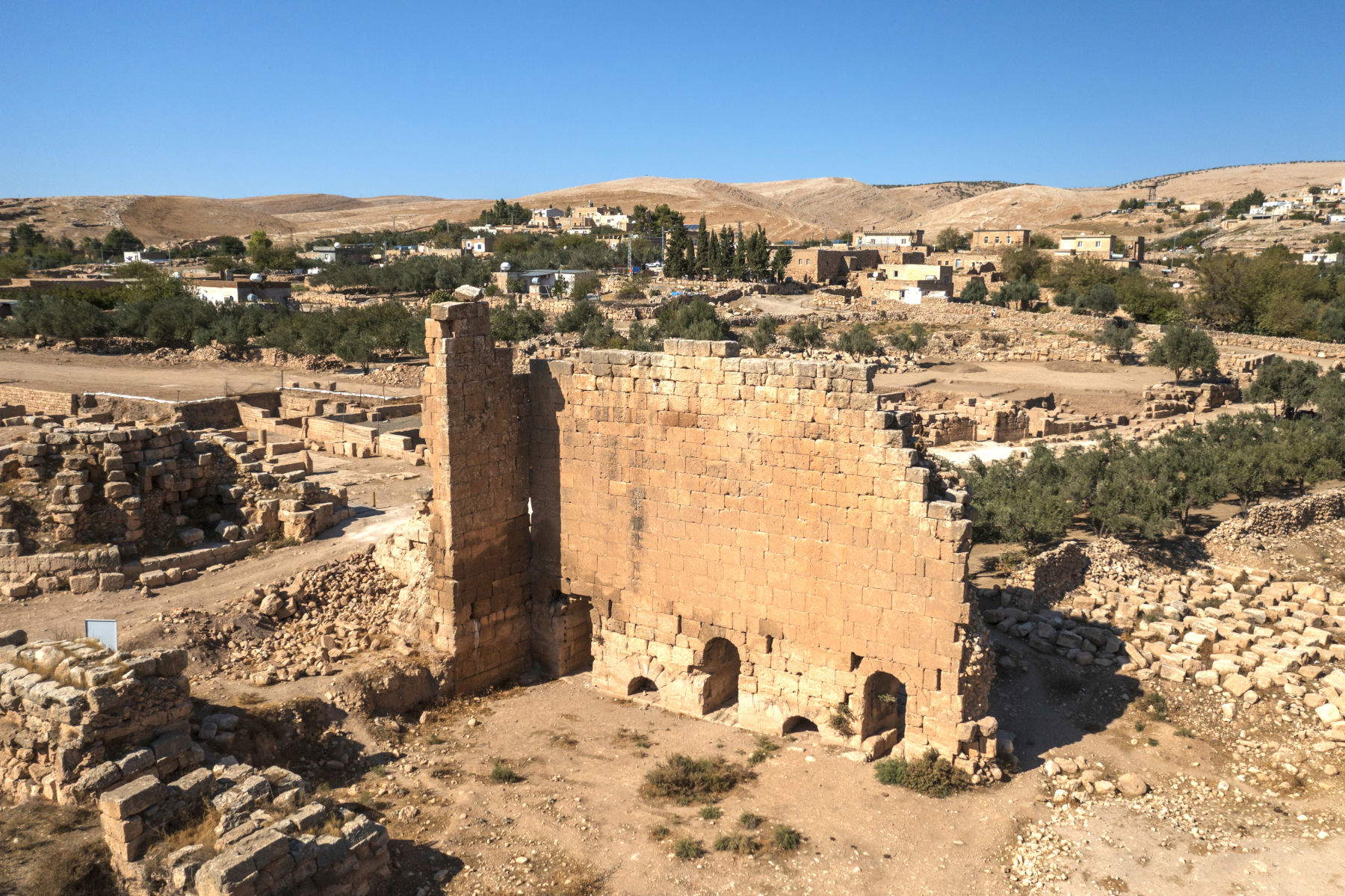
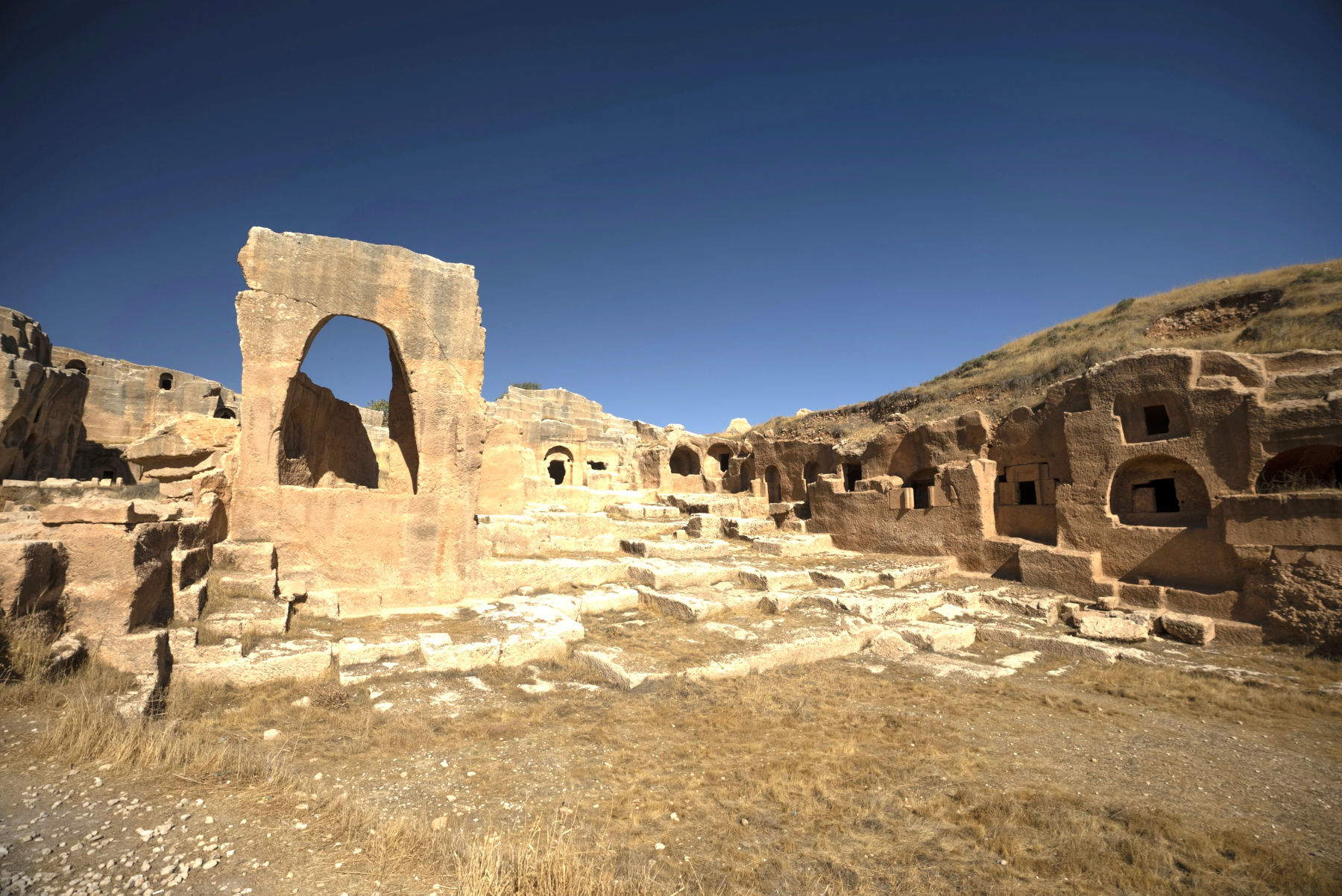
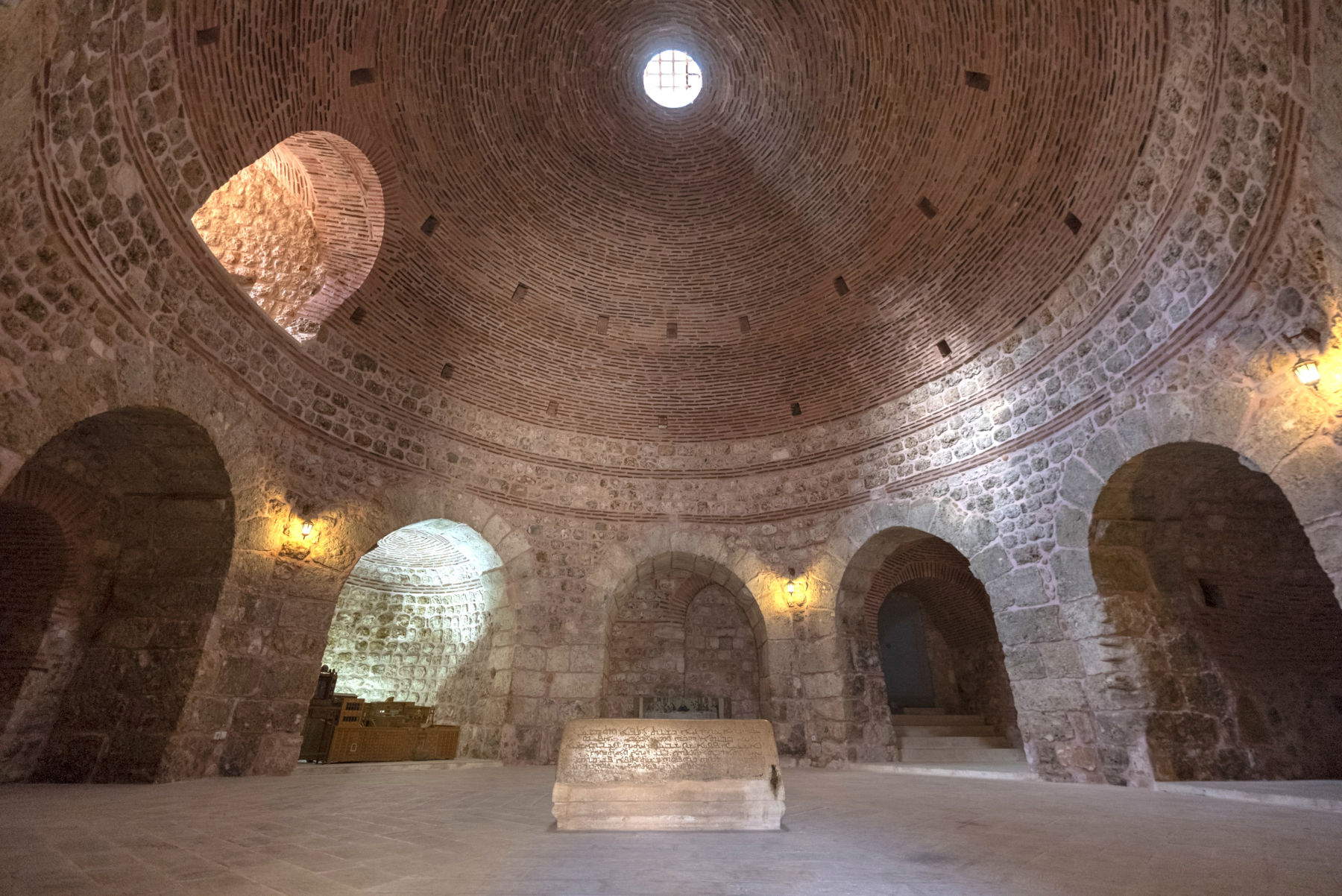
For the first time, the event will systematically extend its itinerary beyond the historic center of Mardin. The venues involved include Dara Ancient City, Deyrulzafaran Monastery, the historic Ateş Beyler hammam in Kızıltepe, Kervansaray, Marangozlar Kahvesi and Sakıp Sabancı Mardin City Museum. In these spaces, the works will enter into direct dialogue with the architecture and cultural memory of the region. Serving as the symbolic and narrative element of the entire Biennial will be the figure of the bird, a recurring presence in Mesopotamian imagery and taken as a metaphor for crossing, connecting and transmitting memory.
The event will bring together 41 artists and collectives from 20 countries. The program will include some of the best-known figures in the international contemporary art scene along with a significant presence of artists originally from Mesopotamia and southeastern Anatolia. Among the announced artists are Alfredo Jaar, Michael Rakowitz, Slavs and Tatars, Basim Magdy, Šejla Kamerić, Hiwa K, Khalil Rabah, Małgorzata MirgaTas, Xul Solar, Hamra Abbas, Carlos Aires, Isaac Chong Wai, Ali Kaaf, Camila Rocha, Selçuk Artut and Erinç Seymen. In parallel, a major part of the project will be devoted to artists with ties to the Mardin and Southeastern Türkiye area, including Mehmet Ali Boran, Bawer Doğanay, Hüseyin Aksoy, Rozelin Akgün, Zahit Mungan and Erkan Özgen.
The works presented will address themes such as memory, migration, spirituality, ecology and contemporary transformations, with works designed to enter into a direct relationship with the spaces that will host them. The curatorial intention is to use the urban and historical context as an active element of artistic discourse. Alongside the main exhibition, the Biennial will offer an articulated public program consisting of workshops, talks, readings, performances and musical interventions distributed throughout the duration of the event. Part of the activities will be concentrated in the days between May 16 and 18, while a second central moment is planned for the weekend of June 20 and 21, coinciding with the summer solstice.
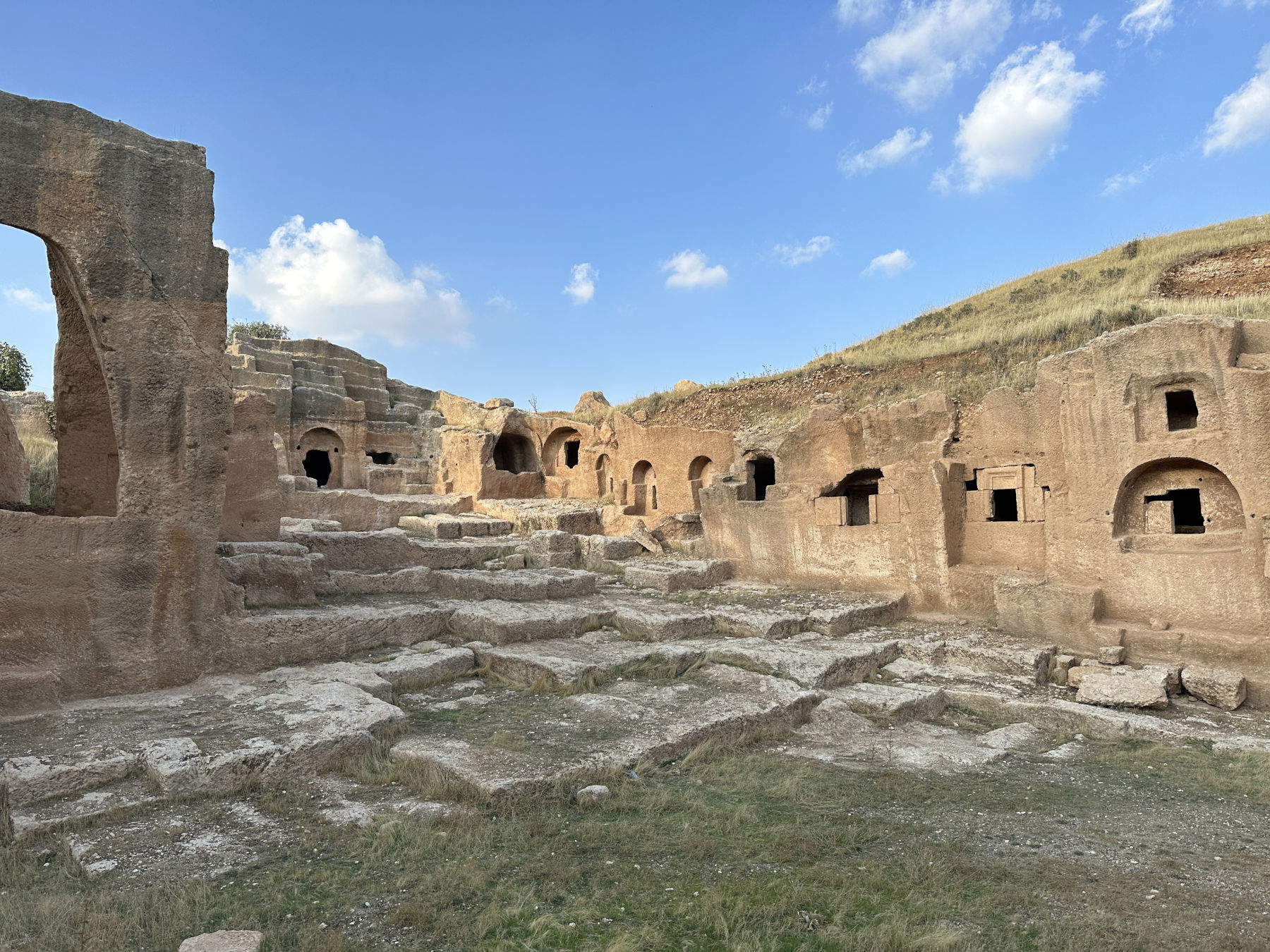
The project will also include some curated international collaborations. These include the involvement of House of Taswir for the Gaza Biennale Initiative project and collaboration with Stadtkuratorin Hamburg / City Curator Hamburg for the From the Cosmos to the Commons program. The partnerships aim to broaden the discussion toward issues related to trauma, the commons and the contemporary political imagination. A crossroads of civilizations and junction of ancient Mesopotamian trade routes, Mardin is often described as an open-air museum due to the presence of an architectural heritage marked by the coexistence of different cultures, religions and languages. The city’s major monumental sites include the Great Mosque of Mardin, Deyrulzafaran Monastery, Mor Behnam Church, Madrasa Zinciriye and Madrasa Kasımiye. Also nearby are the Mor Gabriel Monastery, located in the Midyat area, and the ancient city of Dara, sometimes referred to as the “Ephesus of Mesopotamia.”
The region’s gastronomic tradition also reflects the cultural plurality of the area. Local cuisine includes traditional breakfasts, spicy meat dishes, and specialties such as sembusek andiçli köfte, alongside traditional Syriac wine, which is considered one of the city’s identity products. Other characteristic elements of the historic center include the abbaras, the covered passageways that crisscross the streets and alleys of the ancient city.
The Biennial will be open daily from 10 a.m. to 5 p.m. with free admission at all venues, except for any autonomous regulations enforced by the Deyrulzafaran Monastery. The press preview is scheduled for the morning of May 15, while the official opening ceremony will take place on the evening of the same day in Upper Mardin. The ancient city of Dara will be closed on Mondays as an archaeological site. The Biennale is being directed by Döne Otyam and Hakan Irmak. It is organized by the Mardin Cinema Association with support from private sponsors, NGOs and main sponsor Peugeot. The Advisory Board includes figures from the art world and academia including Esra Aliçavuşoğlu, Fırat Arapoğlu, Mehmet Said Aydın and Evin Sevgi Özcan. Mardin is connected by direct flights from İstanbul, Ankara, İzmir and Antalya. The connection from İstanbul takes about two hours. Accommodations include boutique hotels carved out of historic buildings, traditional guesthouses and international hotel facilities.
 |
| Mardin Biennial brings contemporary art to Mesopotamia’s historic sites |

Warning: the translation into English of the original Italian article was created using automatic tools.
We undertake to review all articles, but we do not guarantee the total absence of inaccuracies in the translation due to the program. You can
find the original by clicking on the ITA button. If you find any mistake,please contact us.
[ad_2]
Source link