
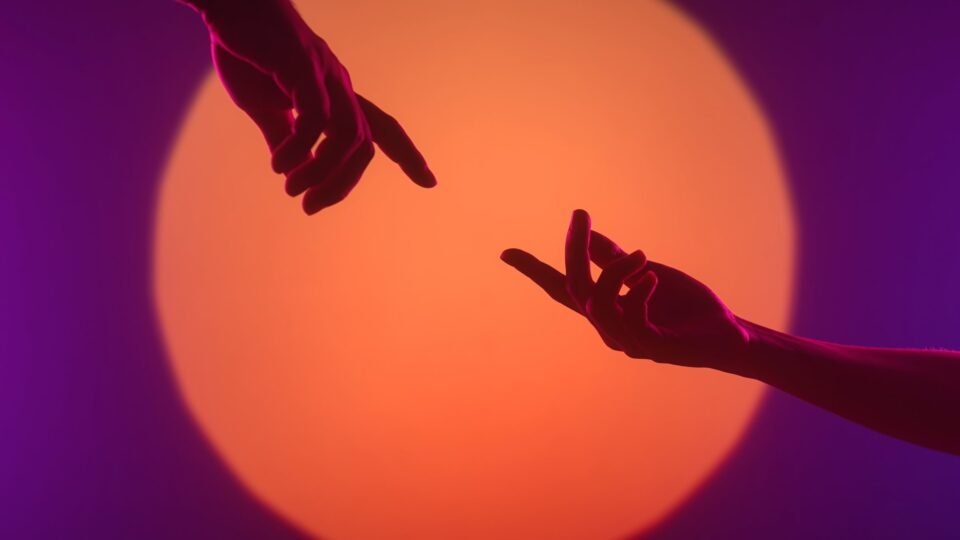
The relationship between pain and art is as old as human consciousness. From the earliest cave markings to contemporary installations in white cube galleries, art has served as a vessel for suffering – personal, collective, historical and metaphysical. Pain is not merely a theme within art; it is often its generative force. Yet in the contemporary era, particularly under late capitalism, a third dimension complicates this relationship: the market. Pain is no longer only experienced and expressed; it is curated, circulated, commodified and consumed. The question that emerges is not whether pain belongs to art. It clearly does. But it is more about whether art’s engagement with pain becomes ethically compromised when it is absorbed into capitalist systems of value production.
Pain and catharsis
To explore this tension, one must begin with the classical foundation. Aristotle argued in “Poetics” that tragedy evokes pity and fear to produce catharsis, a purification or purgation of emotion. Pain, in this formulation, is not sensational; it is transformative. Through representation, suffering becomes intelligible and shared. The tragic hero’s fall does not simply shock. It refines moral perception. In this early framework, art does not exploit pain; it metabolizes it. Suffering is transfigured into ethical knowledge.
Centuries later, Friedrich Nietzsche reframed this relationship in “The Birth of Tragedy.” For Nietzsche, art is not only a mirror to suffering but a necessary illusion that makes life bearable. He distinguishes between the Apollonian (form, order, representation) and the Dionysian (chaos, ecstasy, dissolution), suggesting that tragedy emerges from their dynamic interplay. Pain, in this sense, is not to be eliminated but aestheticized to be endured. Art becomes a metaphysical defense against nihilism. The artist is not merely a witness to suffering but an alchemist who transforms it into meaning.
By the 19th century, the figure of the suffering artist had become almost mythological. Vincent Van Gogh embodies this paradigm. His psychological anguish and economic precarity have become inseparable from the aura surrounding his paintings. Yet here the first complication arises: Van Gogh sold almost nothing in his lifetime, and today his works circulate as some of the most expensive commodities in the global art market. What was once unrecognized suffering has become capital-intensive cultural prestige. The narrative of the tormented genius itself becomes a marketable myth.
The 20th century radicalized the aesthetics of pain. In the aftermath of two world wars, genocide and industrialized destruction, artists confronted trauma on an unprecedented scale. Theodor W. Adorno famously declared that “to write poetry after Auschwitz is barbaric,” a statement often misunderstood. Adorno did not prohibit art; he questioned its possibility in the face of atrocity. How can aesthetic form coexist with radical suffering? Can beauty coexist with horror without neutralizing it? His skepticism reveals a crucial ethical concern: art must not domesticate pain.
Yet artists persisted. Consider Francis Bacon, whose distorted figures appear suspended in existential anguish. Bacon does not narrate suffering. He visualizes its raw, bodily intensity. The viewer encounters vulnerability stripped of sentimentality. Similarly, Mark Rothko sought transcendence through vast color fields that evoke melancholy, silence and spiritual tension. Rothko resisted decorative interpretations of his work, insisting on its emotional gravity. He understood that aesthetic experience could approach the sublime without trivializing sorrow.
However, the late 20th century introduced a decisive shift: the consolidation of the global art market as a speculative financial system. Sociologist Pierre Bourdieu described the “field of cultural production” as structured by tensions between symbolic capital (prestige, recognition) and economic capital (financial value). In theory, avant-garde art resists market logic. In practice, even resistance can be commodified. Shock, transgression and trauma become part of a strategic vocabulary within competitive cultural economies.
Pain as commodity
The work of Damien Hirst exemplifies this paradox. His formaldehyde-preserved animals and diamond-encrusted skull stage mortality and decay within luxury frameworks. Death is not hidden; it is spectacularized. Yet the works circulate within high-end auction houses and private collections. Pain becomes aesthetic capital. The tension lies not in the representation of mortality but in its seamless integration into financial systems. What does it mean when existential dread is traded as an asset class?
Similarly, Marina Abramovic built her career around endurance and bodily vulnerability. In works such as “Rhythm 0,” she exposed herself to potential harm, inviting viewers to confront their own ethical boundaries. In such cases, pain is not simulated; it is enacted. Yet as performance art enters museum retrospectives and branded collaborations, the rawness of risk is framed within institutional prestige. The radical gesture risks becoming a consumable narrative.
Capitalism’s logic thrives on circulation and attention. In digital culture, pain can become content, immediately shareable, visually striking and emotionally provocative. Social media platforms reward intensity. The aestheticization of trauma becomes algorithmically amplified. Scholars such as Mark Fisher have described “capitalist realism” as a condition in which alternative systems appear unimaginable. Within this framework, even critique is absorbed. Art that exposes exploitation may simultaneously depend on the structures it critiques.
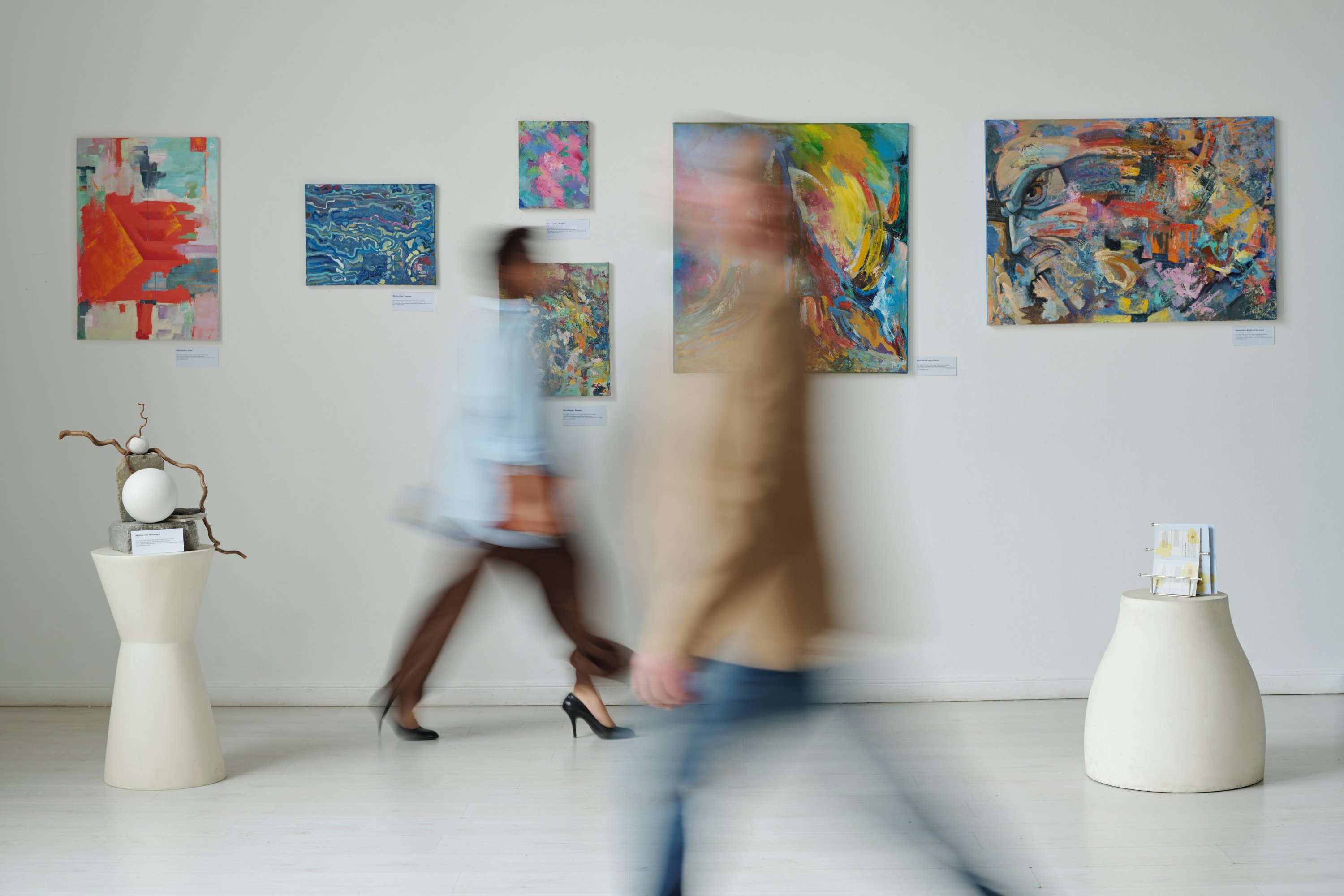
The commodification of pain is not always cynical. Sometimes it is systemic. Museums require funding; galleries require sales; artists require survival. The question is not whether art should exist within economic systems but whether those systems shape the representation of suffering. When refugee crises, wars and environmental disasters become recurring motifs in biennials, one must ask: Are these works amplifying marginalized voices, or are they participating in what some critics call “trauma tourism.”
This is where ethical nuance becomes essential. Consider artists who work directly with communities affected by violence or displacement. When representation emerges collaboratively, pain is not extracted but articulated. Yet when suffering becomes a distant aesthetic resource, it risks flattening lived experience into symbolic gesture. The distinction lies in relational accountability. The philosopher Susan Sontag, in “Regarding the Pain of Others,” warns against the desensitization that repeated exposure to images of suffering can produce. Photography, she argues, both reveals and distances. The viewer may feel momentary compassion, yet the image’s circulation risks normalizing atrocity. In contemporary art markets, where large-scale photographs of war or poverty may be sold for substantial sums, the moral stakes intensify. Who benefits from these images? Who speaks, and who is spoken for?
At the same time, it would be reductive to conclude that market presence invalidates artistic integrity. Art has always relied on patronage, from Renaissance courts to modern collectors. What differentiates late capitalism is speed and scale. Art fairs, global biennials and auction houses operate within speculative rhythms. Works addressing trauma may gain rapid visibility precisely because they resonate with global anxieties. The challenge is whether resonance becomes simplification.
Pain in art, when authentic, often resists spectacle. It may appear in silence, minimalism or abstraction. It may refuse narrative closure. In such cases, art does not dramatize suffering but creates space for contemplation. The commodification process tends to prefer clarity, strong imagery, direct themes and recognizable urgency. Subtlety is harder to market. Thus, capitalism subtly shapes aesthetic strategies.
Yet there is also a paradoxical possibility: that art circulating within capitalist systems can subvert them from within. When artists redirect financial gains toward social initiatives, or when institutions foreground ethical frameworks, the relationship between pain and capital becomes more complex. Resistance is not always external; it can be embedded.
Ultimately, the entanglement of pain, art and capitalism reflects a broader human dilemma. We live within systems that monetize attention, yet we continue to seek meaning beyond transaction. Art remains one of the few spaces where suffering can be encountered without immediate instrumentalization, where ambiguity persists and where discomfort is not resolved into utility.
The critical task is vigilance. Artists, curators, collectors and audiences must remain aware of how narratives of pain circulate. Are we witnessing transformation or consumption? Are we cultivating empathy or harvesting emotion?
Pain will never disappear from art, nor should it. It is inseparable from the human condition and life. But when suffering becomes aesthetic currency, we must ask what is gained and what is lost. If art can transform pain into shared consciousness, it fulfills its ethical potential. If it merely packages anguish for prestige, it risks betraying that potential.
The tension between these poles defines much of contemporary cultural production. And perhaps the most responsible position is not to resolve the contradiction but to inhabit it consciously to create, exhibit and collect with an awareness that pain is not raw material, but lived reality. Only then can art resist becoming a decorative veil over structural injustice and instead remain what it has always promised to be: a fragile yet powerful site of truth.